
Enhance the advancement of diverse talent in your organization by implementing a DEI mentorship program that facilitates engagement and belonging.
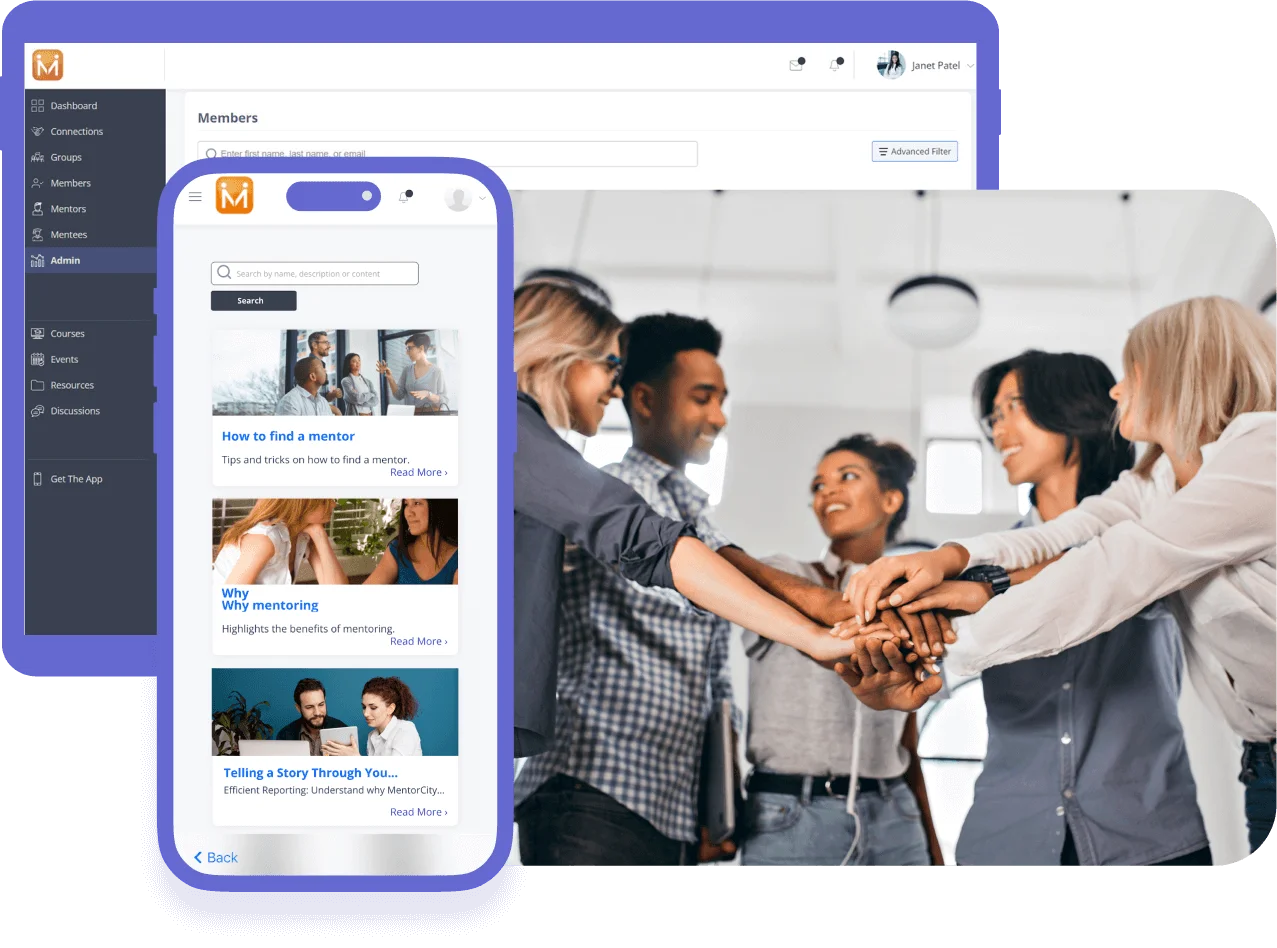
A thriving workplace embraces diversity, fosters equity, and cultivates inclusion. Mentorship is a powerful tool for advancing DEI initiatives, enabling underrepresented groups to gain opportunities, visibility, and guidance. With MentorCity’s DEI mentorship platform, organizations can create impactful mentorship programs that empower employees, and promote an inclusive culture.
Enterprise mentoring programs are instrumental in addressing unconscious biases and promoting diverse perspectives within the workplace. By connecting individuals from different walks of life, these programs encourage open dialogue and understanding, which are crucial for creating an inclusive culture that values every employee’s unique contributions. Mentorship plays a vital role in supporting DEI leaders and initiatives by aligning organizational goals with diversity, equity, and inclusion efforts. Through tailored mentoring relationships, companies can ensure that their DEI programs are effective and sustainable, ultimately leading to a more innovative and successful enterprise.
Ensure equitable opportunities by matching people across genders, ethnicities, nationalities, neurodiversity, and beyond. This feature allows for a more objective pairing process, ensuring that mentorship relationships are built on skills and interests rather than preconceived notions or biases. By focusing on diverse matching criteria, organizations can create a more inclusive environment that recognizes and celebrates the unique contributions of each individual. This approach not only enhances the effectiveness of the mentoring program but also supports the organization’s broader DEI efforts by promoting equality and fostering a sense of belonging among all employees.
Facilitate inclusive dialogue and learning through group mentorship programs that connect employees from diverse perspectives, and increase their visibility to leadership. By participating in group mentorship, employees can learn from each other’s unique viewpoints, which enhances their personal and professional growth. Additionally, group mentorship sessions serve as a platform for mentees to showcase their skills and talents to senior leaders, thereby creating more opportunities for advancement and recognition within the organization. This collaborative environment not only supports the development of leadership skills but also strengthens the overall organizational culture by promoting diversity, equity, and inclusion.
With our DEI mentoring software, you can track DEI progress with analytics on mentorship participation, success rates, and program impact. By leveraging advanced data analytics, organizations can gain valuable insights into the effectiveness of their DEI mentorship initiatives. This involves monitoring key performance indicators such as the number of mentoring relationships formed, the diversity of participants, and the achievement of specific DEI goals. Additionally, organizations can assess the impact of mentorship on employee engagement, retention, and career advancement. By regularly evaluating these metrics, companies can identify areas for improvement and make informed decisions to enhance their DEI programs.
Mentorship is a critical component in fostering diversity, equity, and inclusion within the workplace. By providing guidance and support to employees from diverse backgrounds, mentoring programs help dismantle systemic barriers and promote equal opportunities for advancement. This is particularly important for underrepresented groups who often face unique challenges in the workplace. A well-implemented mentoring program not only supports individual career growth but also contributes to a more inclusive organizational culture. It encourages the sharing of diverse perspectives, enhancing innovation and problem-solving capabilities. Furthermore, mentorship can aid in addressing unconscious biases, as mentors and mentees engage in open dialogue and learn from each other’s experiences. By prioritizing mentorship, organizations can demonstrate their commitment to DEI initiatives and create an environment where all employees feel valued and empowered to succeed.
A well-structured mentoring program paired with a DEI mentoring platform is a powerful tool that can significantly enhance an organization’s recruitment strategy. By showcasing a commitment to diversity, equity, and inclusion through mentorship initiatives, companies can attract a wider pool of talent from diverse backgrounds. Potential candidates are more likely to be drawn to organizations that prioritize DEI efforts and demonstrate a supportive and inclusive culture. Furthermore, mentoring programs can be leveraged in recruitment marketing to highlight the organization’s dedication to employee development and personalized support. Incorporating mentoring relationships into the onboarding process, allows new hires to quickly acclimate to the company culture, further increasing employee retention and satisfaction.
A robust mentoring program is pivotal in cultivating a positive company culture and enhancing employee well-being. By fostering meaningful mentoring relationships, organizations can create an environment where employees feel connected, valued, and supported. This sense of belonging not only boosts morale but also encourages employees to actively contribute to the organization’s goals. Mentorship programs facilitate open communication and trust, allowing employees to share their diverse perspectives and experiences. As a result, companies can address unconscious biases and create a more inclusive culture that respects and celebrates differences. By prioritizing culture and wellbeing, organizations can ensure a happier, healthier, and more productive workforce, ultimately leading to greater success and employee retention.
Employees who feel seen, valued, and supported are more likely to stay with the organization. A mentoring program can be a key factor in enhancing employee retention by fostering an inclusive environment where everyone feels they belong. When employees are paired with mentors who understand their unique challenges and aspirations through DEI mentorship software, they receive personalized support that encourages their growth and development. This support helps to build a strong connection between the employee and the organization, reducing turnover rates and increasing job satisfaction.
By focusing on the accelerated advancement of underrepresented groups, organizations can demonstrate their commitment to diversity, equity, and inclusion, creating a more balanced and dynamic workplace. Mentorship not only boosts the confidence of diverse employees but also helps them build essential skills and networks that are crucial for career progression. Mentorship programs can help identify and dismantle systemic barriers that may hinder the advancement of underrepresented groups, ensuring equal access to opportunities within the organization. As a result, companies can cultivate a more diverse leadership pipeline, ultimately driving innovation and success.
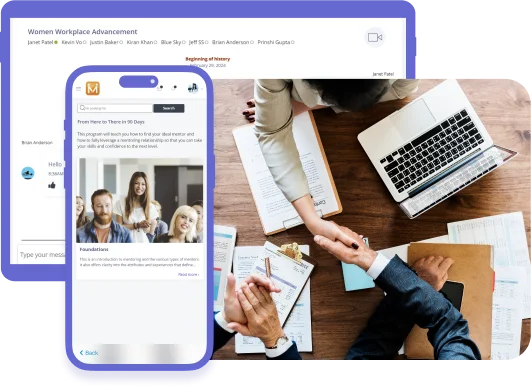
This mentoring format pairs mentors and mentees in a one-to-one relationship aimed at engaging and developing underrepresented employee populations. Diversity mentoring provides opportunities for employees who may have been left out of informal mentoring engagements previously, building a more inclusive workforce and talent pipeline. This mutual exchange of knowledge and experience not only benefits the individuals involved but also contributes to the organization’s overall success by promoting a culture of continuous learning and growth.
Enable senior leaders to learn from diverse employees, fostering awareness and allyship. Reverse mentoring is a transformative approach that flips traditional mentoring dynamics on its head. By pairing senior leaders with employees from diverse backgrounds, organizations can bridge generational and cultural gaps, promoting an environment of mutual learning and respect. This type of mentoring encourages senior leaders to gain fresh perspectives on emerging trends, technologies, and cultural nuances that they might not be exposed to in their usual circles.
Peer mentoring can contribute to a more inclusive workplace by breaking down silos and promoting cross-departmental collaboration. By engaging in peer mentoring, employees can exchange knowledge, skills, and insights, which can lead to enhanced problem-solving capabilities and innovation. This type of mentoring allows employees to support each other in navigating workplace challenges, share diverse perspectives, and develop leadership skills in a supportive environment.
MentorCity equips organizations with the tools to make DEI mentorship impactful and measurable. By facilitating connections and fostering a culture of inclusion, MentorCity helps organizations build equitable workplaces where all employees can thrive. Start creating a more inclusive future with MentorCity today.
100+
Satisfied Customers
4.7 out of 5 in customer reviews
from Capterra, GetApp
Book a Demo Today.
Yes, MentorCity’s DEI mentoring software can be configured so mentees request mentors based on criteria like language, location, gender, and specific topic or expertise, helping programs deliver more inclusive and equitable mentoring experiences. MentorCity supports custom profile fields and matching filters, so participants can indicate key preferences and attributes when they join your platform, such as preferred mentor language, geographic region, identity preferences (including gender), and areas of focus like career development, leadership, or lived experience. Program administrators can use these fields to drive automated matching, offer guided mentor browsing, or let mentees request specific mentors who align with their DEI goals. Because MentorCity lets organizations define the participant attributes that matter most, you can build mentoring programs that respect cultural, linguistic, and personal preferences while still maintaining structured oversight and safeguarding participant wellbeing. This makes MentorCity a powerful platform for DEI-centric mentoring initiatives seeking personalized mentor matching and inclusive engagement.
MentorCity takes personal data protection seriously, which is especially important in DEI mentoring software where sensitive participant details may be part of profiles and interactions. MentorCity’s Privacy Policy states that protecting personal information is one of its highest priorities, and data is collected only as needed to support mentoring outcomes like matching, communication, and goal tracking.
Personal data stored in MentorCity, such as names, contact details, goals, mentoring activity, and profile attributes, is kept in a secure data centre in Canada that undergoes regular industry-standard security audits and is SSAE 16 compliant. Data is encrypted in transit (256-bit SSL) and at rest, and backups are performed daily. MentorCity also limits internal access to personal data to authorized staff and ensures that customer organizations see only their own members’ information.
Importantly, MentorCity will not sell or share personal data and uses it only to facilitate mentoring connections and reporting. Users can control how much information they provide, and the platform supports privacy through secure communication and role-based access, all designed to safeguard personal data within DEI and career mentoring programs.