

 We are here to help: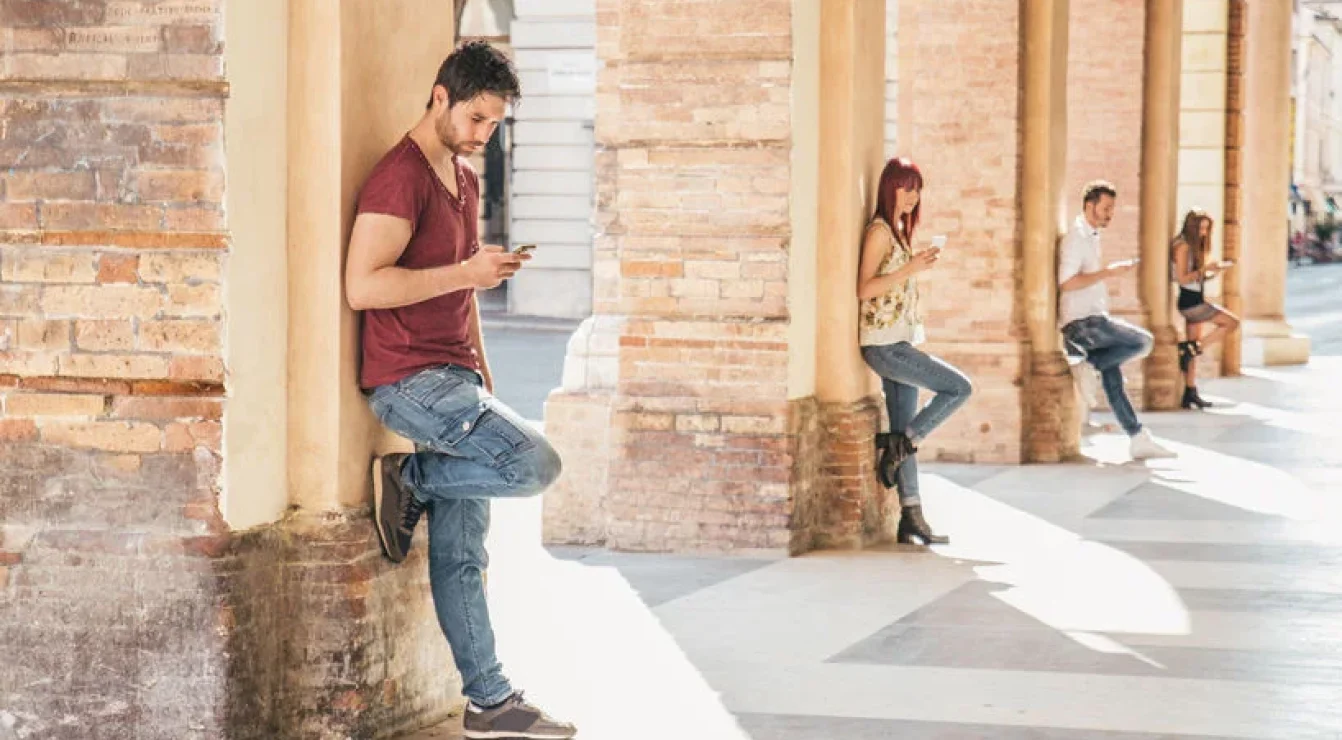
The use of social media has increased tenfold with the growth of smart technology and ease of access to the internet. Without doubt, Facebook, Snapchat, Instagram, and Twitter have all made it easy for people to interact effortlessly and seamlessly without being restricted by regional borders. Sharing of ideas is more convenient now than it has ever been.
But there is a twist in the plot: Studies show that social media is leading many people to depression and loneliness. Social media users tend to sleep less, are hyperactive, struggle to be attentive, and are more vulnerable to social pressure than those who don’t have social media accounts. Although no study has given a conclusive analysis as to whether social media can cause depression, there is definitely an observational correlation between the two. However, for people who struggle with depression, who believe is a cause from the over usage of social media, there are available life coach training that can help them overcome this issue.
4 Ways Social Media Is Leading To Depression
1. Increased feeling of social isolation
The more time you spend on the internet (that includes social media), the more socially isolated you get. Offline social networks such as community work, playing together, interacting in church, and telling tales around a campfire, among others, encourage people to be closer together and share their common problems. Social media isn’t anything like that. Users talk with far-away friends and neglect those around them. And because the circle of “friends” is based in remote locations, no one is there for the other in case of a crisis. After all, having many virtual friends on social media isn’t a substitute for real friends. That virtual existence leads to deeper social isolation.
2. The comparison factor
Browsing through social media can potentially ruin your self-esteem and confidence because, by the look of things, everyone out there is doing better than you in all aspects of life. Everyone seems happier than you, in a better relationship than you, love their job more as compared to you, and have all the good things in life. That comparison mentality leads to depression in more people than in real-life comparison.
Research also shows that people get depressed when they feel like their social media friends are doing worse than them. This form of comparison often makes people feel better about their lives in real life, but it appears to be different in social media spheres. It seems like social media “friends” feel better when they are all at the same social level, maybe because they are able to engage more “productively” that way.
3. Envy and jealousy
After comparing your life with your friends’ on social media, you will envy them if they seem to be better and happier than you are. If that envy is not controlled early enough, it grows into jealousy. This is a very unhealthy situation to find yourself in because you can easily become a hater. Sometimes you will be tempted to post jealousy-inducing content on your pages in order to challenge the “friend”. And if the friend gets equally jealous, chances are that he or she will post a photo or a story that will induce jealousy in you. In the long run, you will have a group of jealousy friends trying to outdoor one another; a vicious cycle of malice. If you feel like your content isn’t causing enough jealous on the other end, you can easily be depressed.
4. Sleep deprivation
A normal adult should sleep for at least 6 hours at night. This is, however, almost impossible now because people are chatting for hours. People are even waking up in the middle of the night to check how their posts are doing online.
Sleep deprivation can cause depression in too many ways. First, your colleagues in the workplace are sleep deprived just like you meaning that everyone is tired and unhappy. The office stays moody for the entire day, aggravating your loneliness.
Secondly, sleep deprivation affects how your body responds to workday activities. If you love the gym, for example, poor sleep will lower your workout enthusiasm and results. Lastly, poor sleep lowers your immune system. If you get sick, you stress out and hate your life, and that isn’t good for your mental health.
Conclusion
Although scientists and psychologists are still trying to figure out how social media relates to the sudden rise of depression cases among the youth, it is important that you find help if you are seeing any signs of depression and loneliness. Some possible alternatives to somehow mitigate the effect of social media so that it does not lead to harmful consequences:
Limit its usage– Try and schedule your day in such a way that social media usage is at its minimum. Even if you can not stop all the social media channels at once, try to have a schedule, for example, 10 minutes of Facebook, then after e a couple of hours 10 minutes of Instagram, etc.
Engage in extracurricular activities– Engaging in different activities where you have physical contact with people can be of great help. This will not only take your mind off the phone but will also help you with your health.
Breaking social media mania is not an easy task. Eventually, it will have ups and downs, and not everyone can reach the desired results immediately. However, once you experience the improved habit of not scrolling down constantly, you will create a healthy balance and feel good about yourself.
—
Rilind Elezaj is a devoted career specialist. He helps people make career choices that feel genuinely right for them. He usually helps the individual evaluate their background, curiosities, passions and training so that they can choose a job, business or type of further education that helps them be successful and fulfilled. He also enjoys helping people write their CV.
Media: Media Download